Bis Hajaar Tal, often translated as "20,000 Lakes," is one of the most beautiful wetland areas in Chitwan National Park. This vast chain of oxbow lakes and marshes is a Ramsar Site of international importance and a paradise for birdwatchers and nature lovers.
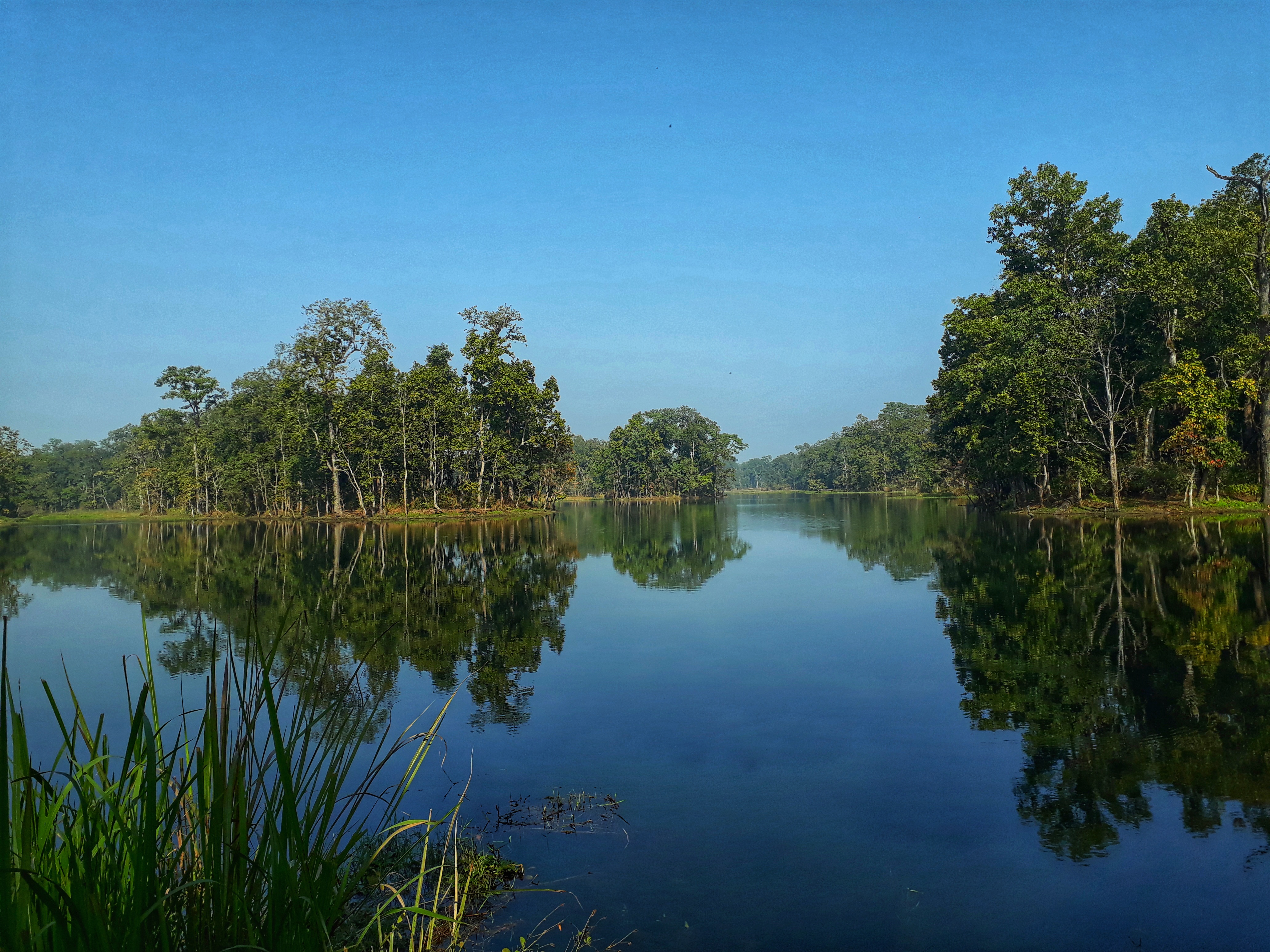
Where Is Bis Hajaar Tal?
Bis Hajaar Tal lies in the buffer zone of Chitwan National Park, near the village of Belsar in the Bharatpur metropolitan area. It is the largest lake system in the park and acts as a natural reservoir, collecting monsoon floodwater and regulating the surrounding landscape.
Why Is It Called 20,000 Lakes?
The name comes from the countless small ponds, channels, and lagoons that form across the wetland during the rainy season. While the number is symbolic, the maze of water bodies creates a stunning landscape that changes with the seasons.
Wildlife and Birdlife
The wetlands are teeming with life. Large water birds such as cormorants, herons, egrets, and storks are common. During winter, migratory ducks and geese arrive from Central Asia and Siberia. The lake is also home to marsh mugger crocodiles, fish, turtles, and the occasional rhino that wanders from the nearby forest.
Activities at Bis Hajaar Tal
- Boating: Paddle through the tranquil lakes and watch birds up close.
- Bird watching: Early mornings offer the best light and activity.
- Nature walks: Guided trails along the shore explore the wetland ecology.
- Photography: The reflections and mist make for stunning shots at sunrise.
Best Time to Visit
The winter months from November to February are ideal for birdwatching, when migratory species are present. The monsoon months of July and August fill the lakes to their fullest, though trails may be muddy.
Conservation Importance
Bis Hajaar Tal is a designated Ramsar wetland, recognized for its ecological importance. It helps control floods, recharge groundwater, and support fisheries. Conservation programs work with local communities to balance tourism with protection of this fragile ecosystem.